
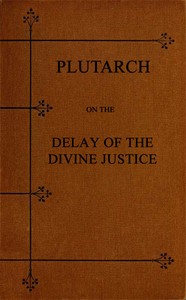
Plutarch on the Delay of the Divine Justice by Plutarch
So, what's this book actually about? Don't let the formal title scare you. There's no plot in the traditional sense—no heroes on a quest. Instead, Plutarch sets up a courtroom drama in your mind. The defendant? The entire concept of divine justice. The charge? Being painfully, unacceptably slow, or worse, completely absent.
The Story
Plutarch acts as both prosecutor and defense attorney. He starts by laying out all the evidence that justice is broken. He points to tyrants who lived long, comfortable lives, and innocent people who suffered terribly. It's a list of grievances that feels shockingly modern. Then, he switches gears. He doesn't say 'God works in mysterious ways' and leave it at that. He builds a philosophical case. He suggests that maybe punishment isn't just about what happens to a person's body or wealth in their lifetime. He talks about the damage a wicked soul does to itself, and how consequences can ripple through families and history in ways we can't immediately see. The 'story' is his journey from doubt to a complex, challenging kind of faith in a moral universe.
Why You Should Read It
I picked this up expecting a dry lecture. What I got was a mind that feels like my own when I scroll through the news. Plutarch's frustration is our frustration. His need for answers is our need. What blew me away was his refusal to settle for easy comfort. His conclusion isn't a pat answer; it's an invitation to think bigger and longer about cause and effect. It made me question my own impatience. When I see injustice, I want it fixed now. Plutarch asks me to consider a scale of time and consequence that's much, much larger. It's a profoundly humbling and strangely comforting perspective.
Final Verdict
Perfect for anyone who's ever shaken their fist at the sky and asked 'Why?' If you enjoy deep conversations about morality, fate, and how the world works, this is your ancient guide. It's also great for readers of modern philosophy or theology who want to see where these debates started. It's not for someone looking for a light story, but if you want to wrestle with a timeless problem alongside a sharp and compassionate thinker from the past, this short book is incredibly rewarding.
Emily Young
1 year agoI was skeptical at first, but the clarity of the writing makes this accessible. Exceeded all my expectations.
Ethan Thomas
6 months agoFast paced, good book.
Sarah Clark
1 year agoI have to admit, the narrative structure is incredibly compelling. Don't hesitate to start reading.
Liam White
2 months agoClear and concise.



Kimberly Young
4 months agoBeautifully written.